


Whether your aim is to build muscle, lose fat or simply maintain a healthy lifestyle, nutrition and food are the keys to success.

When it comes to fitness, the food you fuel yourself with is as important as your workouts themselves – arguably, more so.
Supporting your physical efforts through the right nutrition will help you to perform at your best during sessions, thus reaping more benefits from them, and by focusing on key macronutrients you’ll ensure not only that your muscles, bones and organs are able to function optimally but also that you’ll be on the right track to recomposition and achieving your strength and aesthetic goals, too.
Whether your aim is to build muscle, lose fat or simply maintain a healthy lifestyle, nutrition and food are the keys to success. Here, we take a look at how to get the most out of them and ensure that your diet works for you – not against you.
The role of macronutrients
Macronutrients – in other words, proteins, carbohydrates and fats – are the building blocks of every well-balanced diet and will provide you with the essential fuel your body requires to perform.
Carbohydrates: The body’s primary energy source

Carbohydrates are the body’s preferred energy source and can be found in starchy foods such as pasta, bread, potatoes as well as in fruits and vegetables
Carbohydrates are the body’s preferred energy source and can be found in starchy foods such as pasta, bread, potatoes as well as in fruits and vegetables. Each time you consume carbohydrates, the body is able to quickly convert them into glucose, which is stored as glycogen in the muscles and liver and provides the body with easily accessible fuel during physical activities like running or weight training.
Simple carbohydrates, such as white bread and pasta, provide the fastest sources of energy, making them a good choice pre-workout – but consuming them can also lead to blood sugar dips and energy crashes, so outside of this, it’s better to opt for slower-release sources such as wholegrain alternatives, which are slower to digest because of their high fibre content and thus provide more sustained energy throughout the day.
If your goal is endurance – for example, if you’re a long-distance or marathon runner – then complex carbs are also the better choice for keeping you going for longer.
Without including sufficient carbohydrates in your diet, you may find yourself feeling fatigued during and after your workouts, and unable to perform at your full potential.
Protein: Muscle growth and repair

Protein is essential for muscle repair and growth
Protein is essential for muscle repair and growth, so if your training is strength-focused and you’re seeking to improve your body’s composition then consuming the right amount for your body weight is paramount. During intense exercise, your muscles are subjected to micro-tears – and must then repair themselves. During this process, they become stronger
If you’re training consistently, then you should aim for between 1.2 and 2.5 grams of protein per kilogram of body weight. The lower end of the scale applies if you’re working out once or twice a week, while the higher end is aimed at someone who is doing two intense sessions per day, so work out where you sit on the scale and make it your daily goal.
Aim to include a portion of lean protein, such as chicken, fish, eggs, turkey or legumes like chickpeas and kidney beans, in each meal, as these provide the essential amino acids the body requires to rebuild muscle tissue.
On workout days, try to consume a good-sized portion of protein – ideally around 30g – within 30 minutes to an hour of finishing your session to optimise protein synthesis. Snacks like gourmet beef jerky or protein bars can be good on-the-go solutions to have on hand where time post-workout is limited, and can help to ensure that you continue to hit your daily protein targets regardless of how busy your schedule is.
Fats: Hormone health and energy

Healthy fats, which can be found in sources like nuts, avocados and salmon, help to support brain function and maintain hormonal balance
It wasn’t so long ago that fats were widely seen as the enemy, but thankfully, modern science has dispelled the myth that fats are ‘bad’ and has instead shone a light on why in fact, they are essential for optimal health and wellness. Healthy fats, which can be found in sources like nuts, avocados and salmon, help to support brain function and maintain hormonal balance, so focus on unsaturated fats like these – as opposed to saturated and trans fats, which tend to be found in cooking oils and ultra-processed foods and can contribute to health issues such as heart disease.
During prolonged, low-intensity activities like walking, unsaturated fats serve as a good source of energy and consuming alongside sources of fat soluble vitamins (A, D, E and K) aids in their absorption so that you can get more micronutrients out of your meals.
Supplements

Magnesium is a micronutrient that is often overlooked, and many of us don’t get enough of it, but its involvement in muscle function and energy production is not to be underestimated
Although a well-balanced diet designed to support your fitness goals can be largely achieved by ensuring you’re consuming the right macronutrients, micronutrients are equally important when it comes to overall health.
Magnesium is a micronutrient that is often overlooked, and many of us don’t get enough of it, but its involvement in muscle function and energy production is not to be underestimated.
Magnesium helps to support muscle recovery and prevent cramps, but traditional food sources like dark leafy greens, nuts and seeds no longer contain the amounts of it they once did due to intensive modern farming methods that have caused a significant depletion of our soil’s mineral content. For this reason, taking a daily supplement is widely advised.
Iron is another key micronutrient that women, in particular, can often be lacking in. Iron is essential for transporting oxygen to the muscles during exercise, and red meats and dark green leafy vegetables are good sources. Fatigue, light-headedness and heavy limbs can be signs you’re not getting enough, but it’s important to get tested before starting supplementation, as too much iron in the body can be dangerous.
There are a variety of other supplements that are thought to be beneficial for those engaging in regular physical activity; for example, some studies have suggested that turkey tail mushroom capsules can enhance athletic performance. However, getting the basics right and ensuring that you’re getting all of the macronutrients and micronutrients your body needs should always be your first port of call, and more often than not, will be all you need to achieve your fitness goals whilst prioritising optimal health.
How coffee improves exercise performance
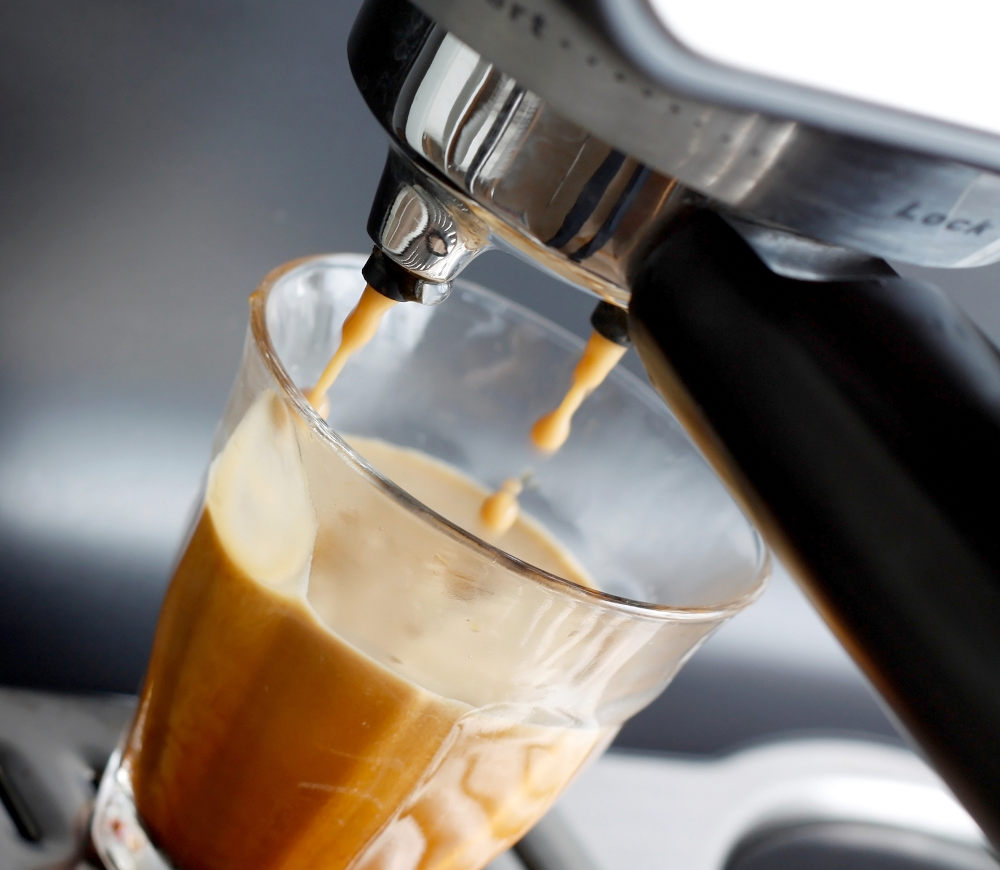
For those who train later in the day, switching to flavoured decaf coffee can help reduce post-workout stimulation and support better sleep — which is crucial for muscle recovery and hormone health
For those who train later in the day, switching to flavoured decaf coffee can help reduce post-workout stimulation and support better sleep — which is crucial for muscle recovery and hormone health. Small, intentional choices like this can improve overall recovery and help you get the most out of your fitness routine

This news has been rearranged and published with the https://www.luxurylifestylemag.co.uk/press release subscription.
We Told You That We Will Make You Dream Great Dreams With Our Media Group.
We Set Out For The Best İn The World And Have Been Offering You A Journey Beyond Dreams For Exactly 20 Years.
Thanks With To My Esteemed Colleagues


TRIP TRACK A.Ş ISTANBUL / TURKEY / LEVENT / POL CENTER + 90 0212 942 82 80
0541 732 90 64

Tony Bar & Jennifer Bar / New York EDITORIAL
DEUTSCHLAND UNTERNEHMENS KOMMUNIKATIONS LEITER
WERNER SCHMIDT / GERMANY EDITORIAL
+49 177 8664756

ANFOUNDER / GENERAL DIRECTOR/ REGIONAL MANAGER
JANBOLAT KHANAT + 7 702 230 42 17 (whatsapp) KAZAKISTAN / ALMATY
JANBOLAT KHANAT / ISTANBUL PHONE / +90 0507 838 84 38 / KAZAKISTAN EDITORIAL

OUR SOCIAL MEDIA ACCOUNTS MEDIA GROUP 2025 / 2026
2025 / 2026 INTERNATIONAL MEDIA PARTNER ORGANIZATIONS
WMWNEWSTURKEY PRODUCTION TURKEY
We are a solution partner to the best organization companies in the world.We provide media and PR support, we contribute to the rise of company values in the international arena.
WMWNEWSWORLD / WMWNEWSTURKEY / WMWNEWSGLOBAL MEDIA GROUP
We are a travel ,tourism and media group in New York, U.S.A.
The world’s best travel destinations,top 5 star hotels,the best restaurants and
the world’s best living centers,New York, Doha, Astana, Almaty, Antalya, Istanbul, Bodrum with our offices,we reach 192.000 professional tourism and life-loving members,and introduce you to our 192,000 members…
We are happy to reach 192.000 people with our Turkish and English sector news.
Please let me know how we can be of assistance.
TRIP TRACK INC. A.Ş / FATIH AVCI / ATLANTA

New Brand Positioning and Repositioning, Brand Management, Product Management, Integrated Marketing, Packaging, Advertising, Media Planning, Corporate Identity, Consumer Research.
Market Research, Business Development, Forecasting, Pricing/Planning, Public Relations, New Product Introduction, Corporate Development, Sales Promotion, Marketing Administration.
Business and Consumer Insights, Digital Marketing, Social Media, Email Marketing and Team Building…