

Wallpaper* Exclusive May 2026 / With Armani/Archivio, Giorgio Armani is Reissuing Some Of its Most iconic Pieces / By Jack Moss / Publisher Wallpaper / Editing Press Releases wmwnewsglobal.com
To Witness These Miracles Click Here https://www.wallpaper.com/

The project sees 13 designs for men and women, spanning 1979–1994, reissued for a new generation of fans
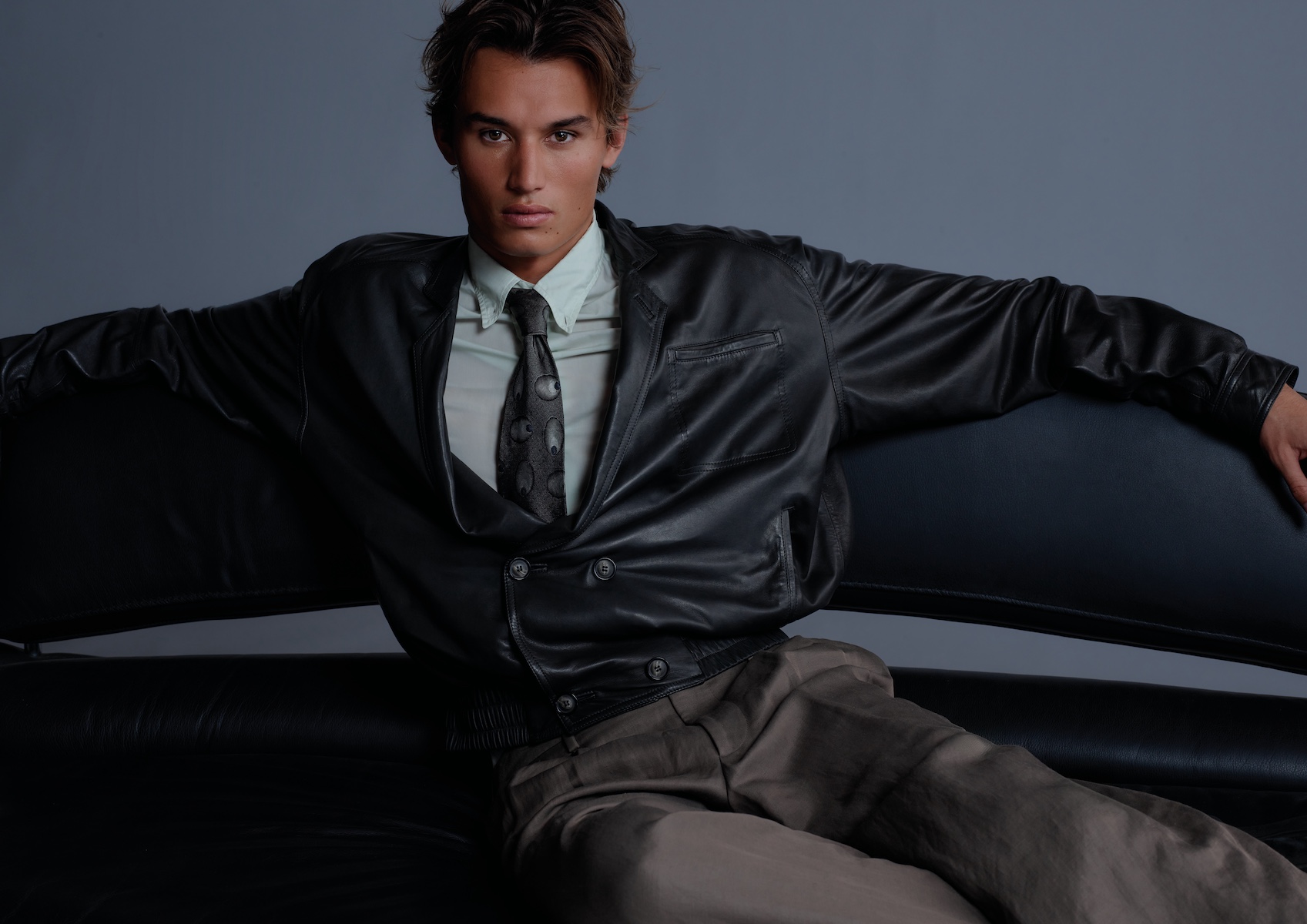
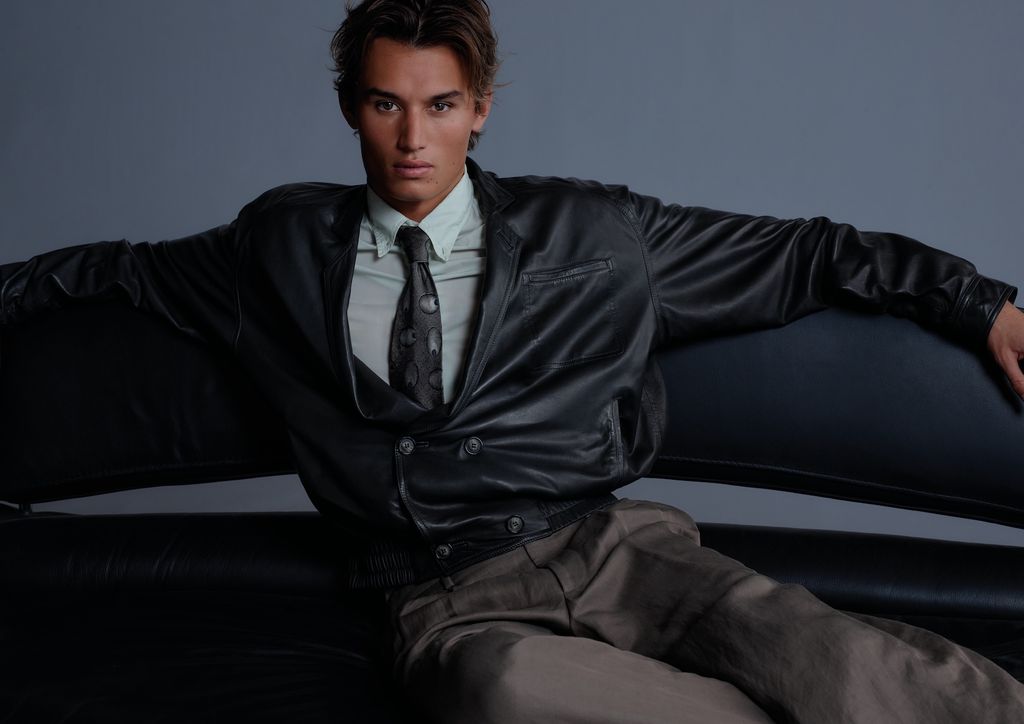
Armani/Archivio, photographed by multi-hyphenate American designer and image-maker Eli Russell Linnetz
(Image credit: Photography by Eli Russell Linnetz, courtesy of Armani/Archivio)
Last August, Giorgio Armani launched Armani/Archivio, a project which will see the Italian fashion house’s extensive archive digitised and open to the world to peruse (over 200 physical collections and 30,000 pieces feature so far). Then, it was a celebration of 50 years in business; after Mr Armani’s death in September that same year, it stands as a testament to his enduring principles of timeless style.
‘Consistency to me is a virtue, not least because it allows one to grow and change within a definite frame,’ he said when he guest-edited the October 2022 issue of Wallpaper*.
‘That, for me, is way more effective than flipping ideas every six months. Something is reassuring and even strengthening to sticking to one’s guns.’
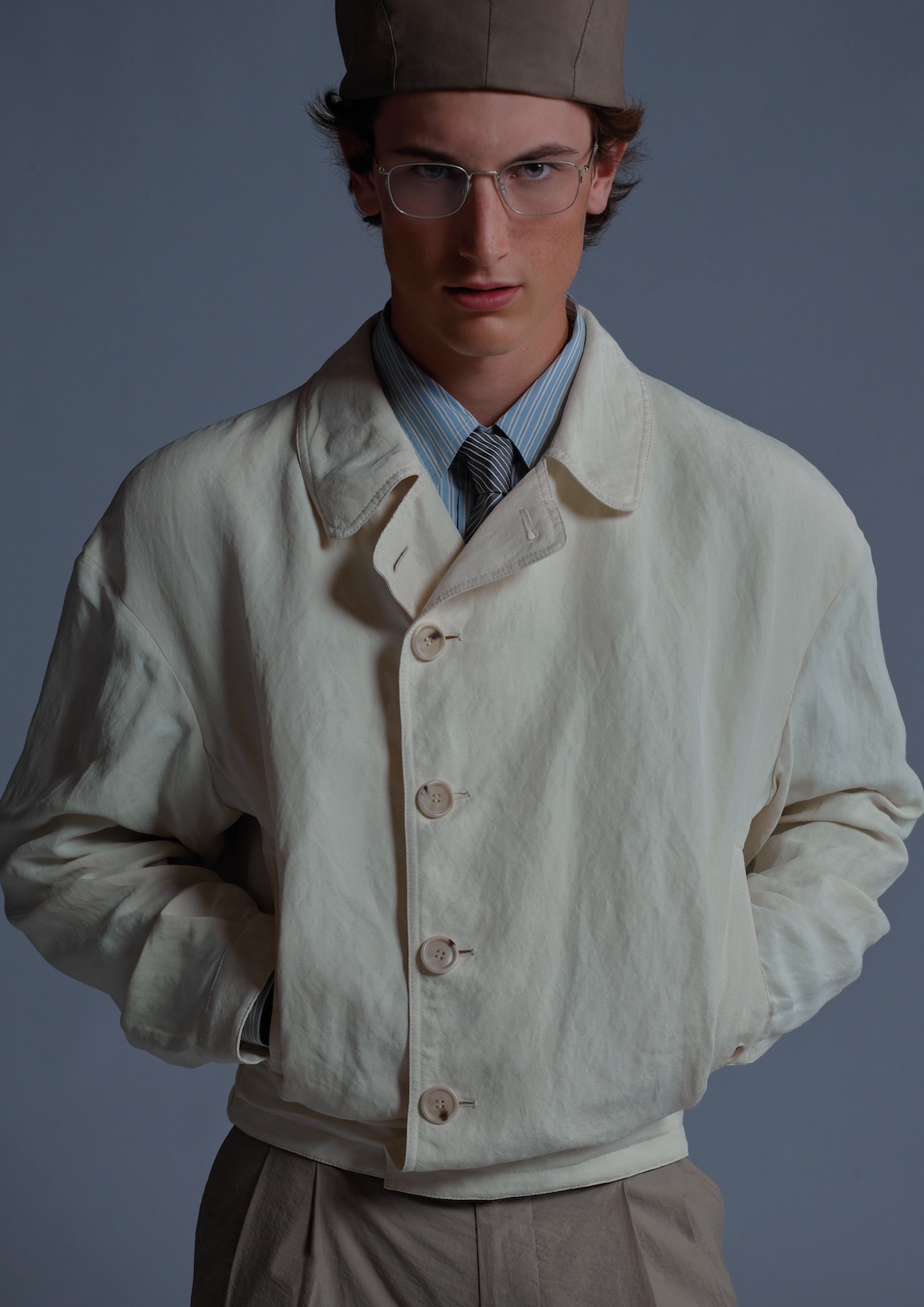
(Image credit: Photography by Eli Russell Linnetz, courtesy of Armani/Archivio)
Now, an evolution of the Armani/Archivio project puts those principles into practice: 13 men’s and women’s looks, spanning the years 1979–1994 are being reissued by the house, photographed in an accompanying campaign by the multi-hyphenate American fashion designer Eli Russell Linnetz, whose nostalgia-tinged work riffs on the breezy 1980s style of his native Californian (he was born, and remains based, in Venice, Los Angeles).
‘Mr Armani is one of the greatest artists of our time.
He changed the way we live our lives every day and what we aspire to become, and his legacy is something the rest of us are still learning from,’ says Linnetz, who has previously collaborated with Dior, been a guest designer at menswear fair Pitti Uomo, and won the Karl Lagerfeld award at the 2022 LVMH Prize.

(Image credit: Photography by Eli Russell Linnetz, courtesy of Armani/Archivio)
‘These Archivio pieces feel as alive today as the day they were made because he designed his work to be eternally impactful,’ he continues.
‘As a designer, to handle these garments and understand how they were made has been both a great education and a gift, and to photograph them, as part of the long lineage of photographers who have been part of the Armani universe, was a privilege I will carry with me for a very long time.
The various looks span decades but are united by Mr Armani’s fluid line and streamlined vision of Italian elegance. For women, there is a single-breasted, collarless blazer from S/S 1979, its sleeves cut to recall the sleeve of a shirt (it featured in Vogue that same year, and would help propel the designer to international fame), while a broad-shouldered blouson from 1983 captures his take on the amped-up glamour of the decade. A series of pieces from the house’s S/S 1990 also feature.

(Image credit: Photography by Eli Russell Linnetz, courtesy of Armani/Archivio)
This news has been rearranged and published with the press release subscription.
We Told You That We Will Make You Dream Great Dreams With Our Media Group.
We Set Out For The Best İn The World And Have Been Offering You A Journey Beyond Dreams For Exactly 20 Years.
Thanks With To WALLPAPER


TRIP TRACK A.Ş ISTANBUL / TURKEY / LEVENT / POL CENTER + 90 0212 942 82 80
0541 732 90 64

Tony Bar & Jennifer Bar / New York EDITORIAL
DEUTSCHLAND UNTERNEHMENS KOMMUNIKATIONS LEITER
WERNER SCHMIDT / GERMANY EDITORIAL
+49 177 8664756

ANFOUNDER / GENERAL DIRECTOR/ REGIONAL MANAGER
JANBOLAT KHANAT + 7 702 230 42 17 (whatsapp) KAZAKISTAN / ALMATY
JANBOLAT KHANAT / ISTANBUL PHONE / +90 0507 838 84 38 / KAZAKISTAN EDITORIAL

OUR SOCIAL MEDIA ACCOUNTS MEDIA GROUP 2025 / 2026
2025 / 2026 INTERNATIONAL MEDIA PARTNER ORGANIZATIONS
WMWNEWSTURKEY PRODUCTION TURKEY
We are a solution partner to the best organization companies in the world.We provide media and PR support, we contribute to the rise of company values in the international arena.
WMWNEWSWORLD / WMWNEWSTURKEY / WMWNEWSGLOBAL MEDIA GROUP
We are a travel ,tourism and media group in New York, U.S.A.
The world’s best travel destinations,top 5 star hotels,the best restaurants and
the world’s best living centers,New York, Doha, Astana, Almaty, Antalya, Istanbul, Bodrum with our offices,we reach 192.000 professional tourism and life-loving members,and introduce you to our 192,000 members…
We are happy to reach 192.000 people with our Turkish and English sector news.
Please let me know how we can be of assistance.
TRIP TRACK INC. A.Ş / FATIH AVCI / ATLANTA

New Brand Positioning and Repositioning, Brand Management, Product Management, Integrated Marketing, Packaging, Advertising, Media Planning, Corporate Identity, Consumer Research.
Market Research, Business Development, Forecasting, Pricing/Planning, Public Relations, New Product Introduction, Corporate Development, Sales Promotion, Marketing Administration.
Business and Consumer Insights, Digital Marketing, Social Media, Email Marketing and Team Building…